Fences and Gates
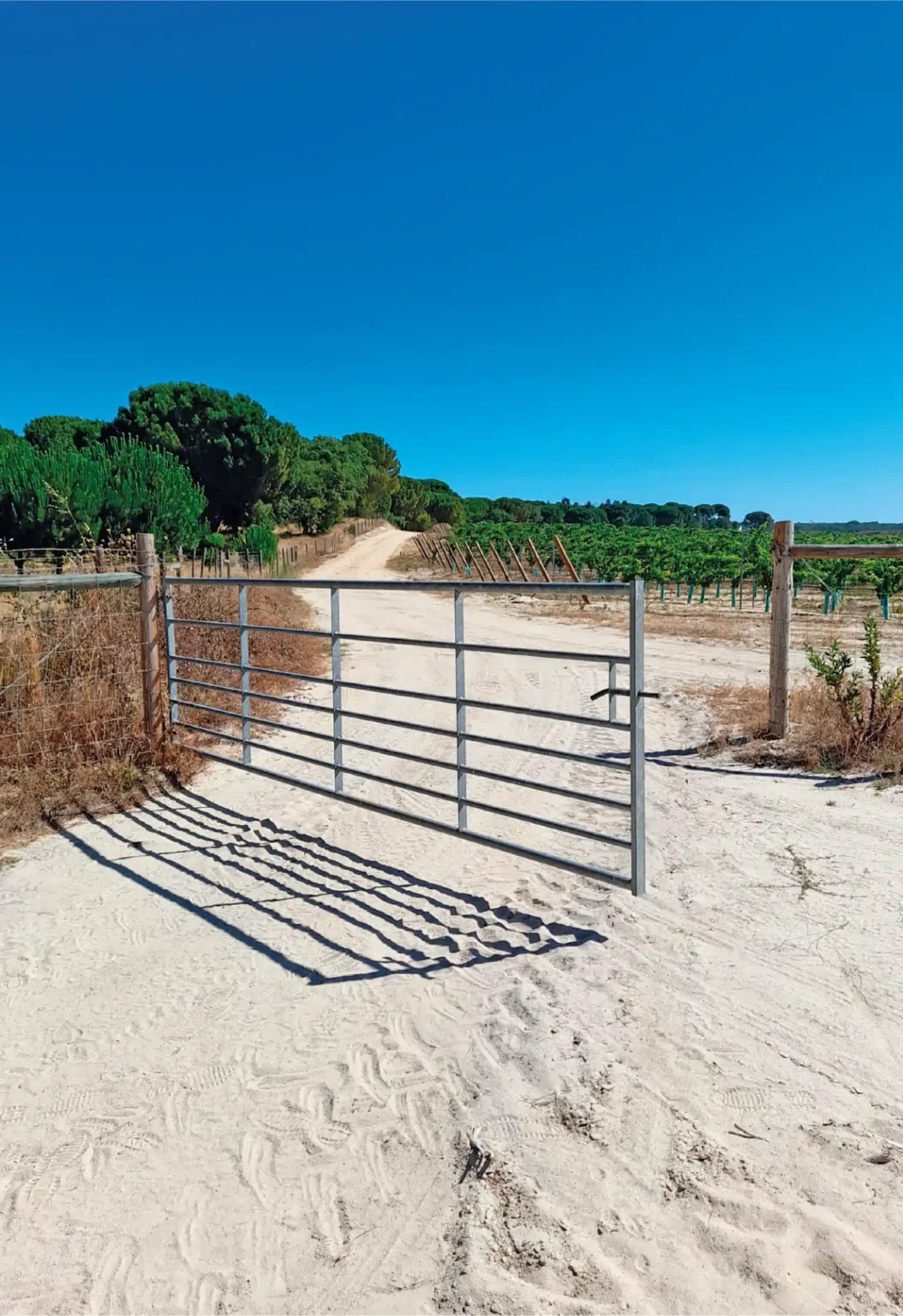
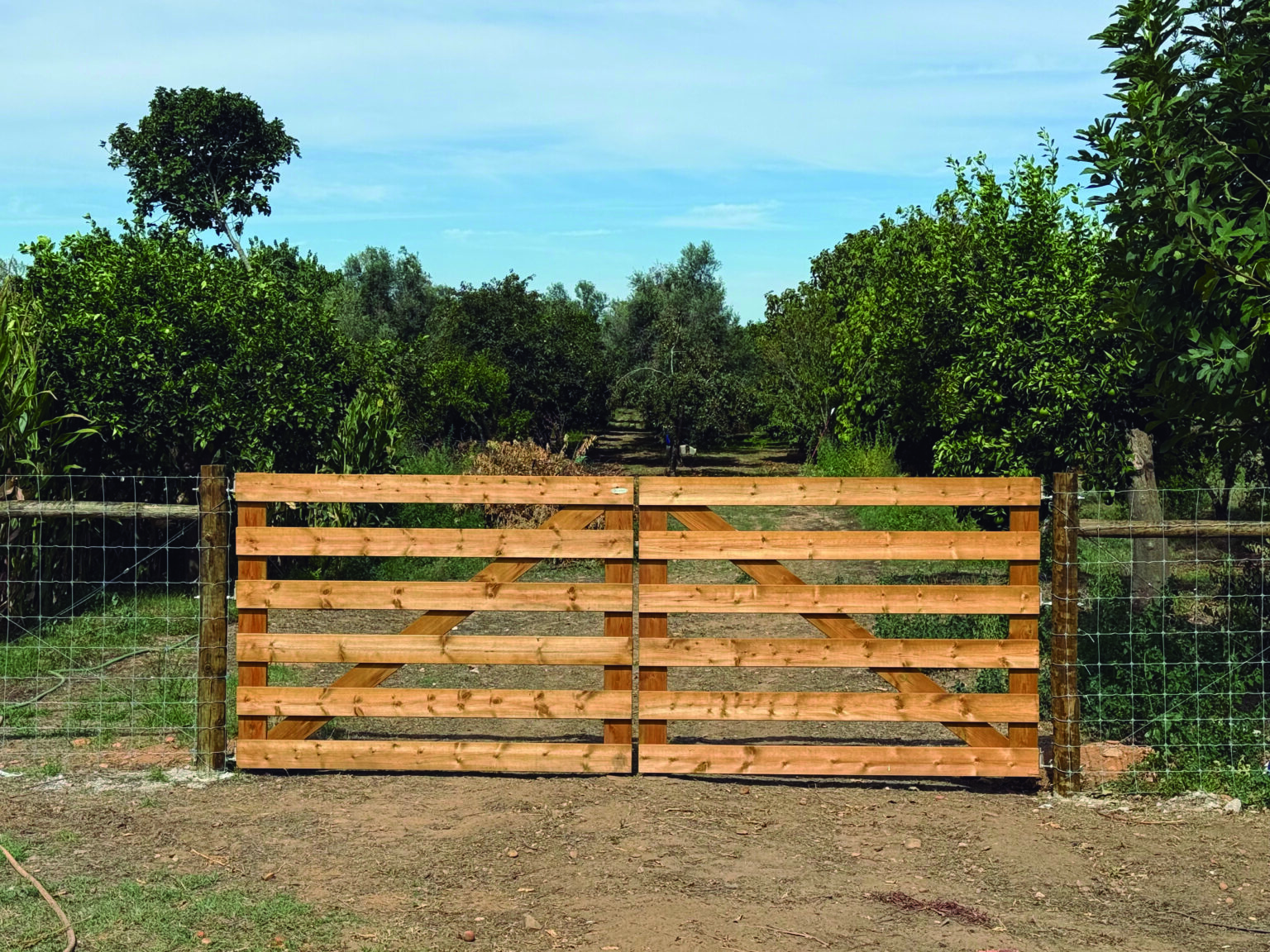
Agricultural fencing and gates play an important role in demarcating, protecting and organising farms. When choosing a solution, consideration must be given to the characteristics of the land, the use of the space, the necessary access points and the desired level of protection.
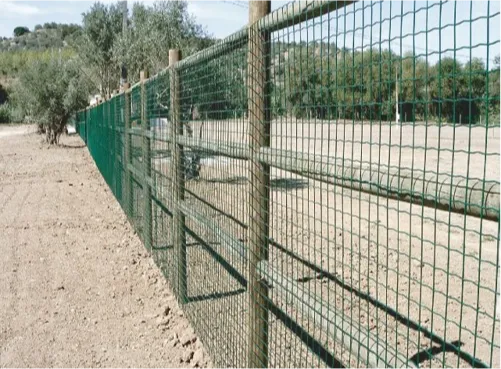
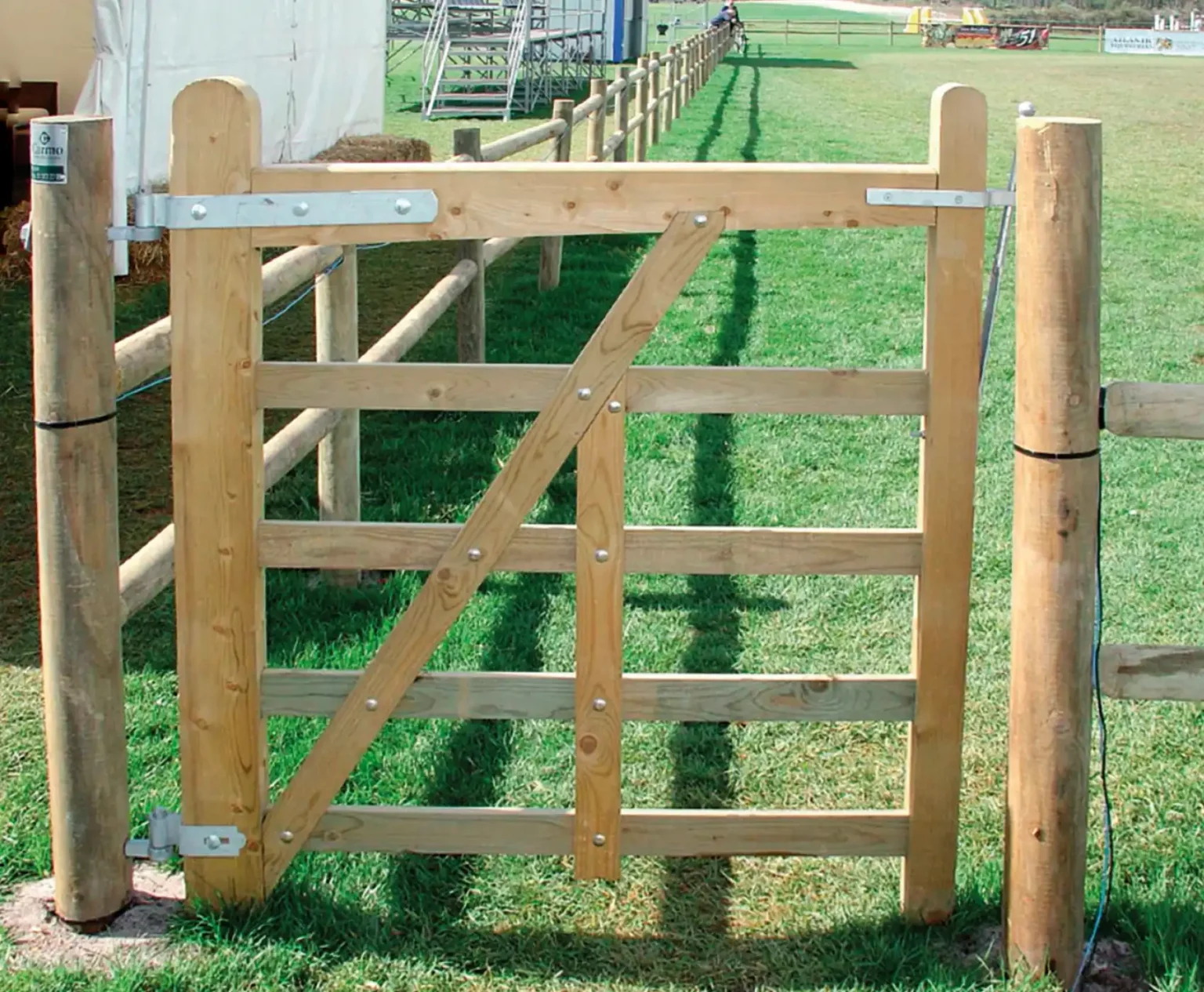
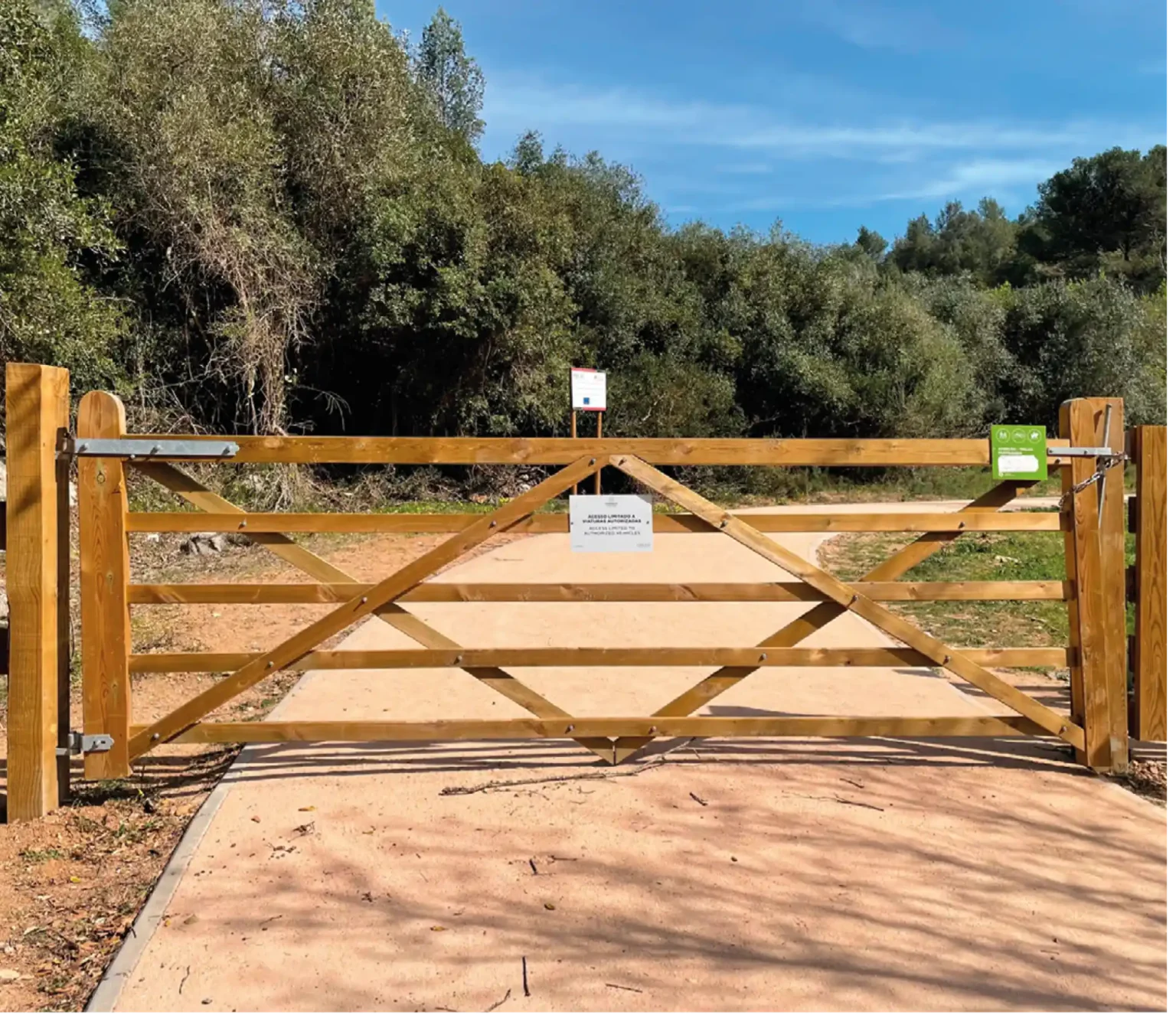
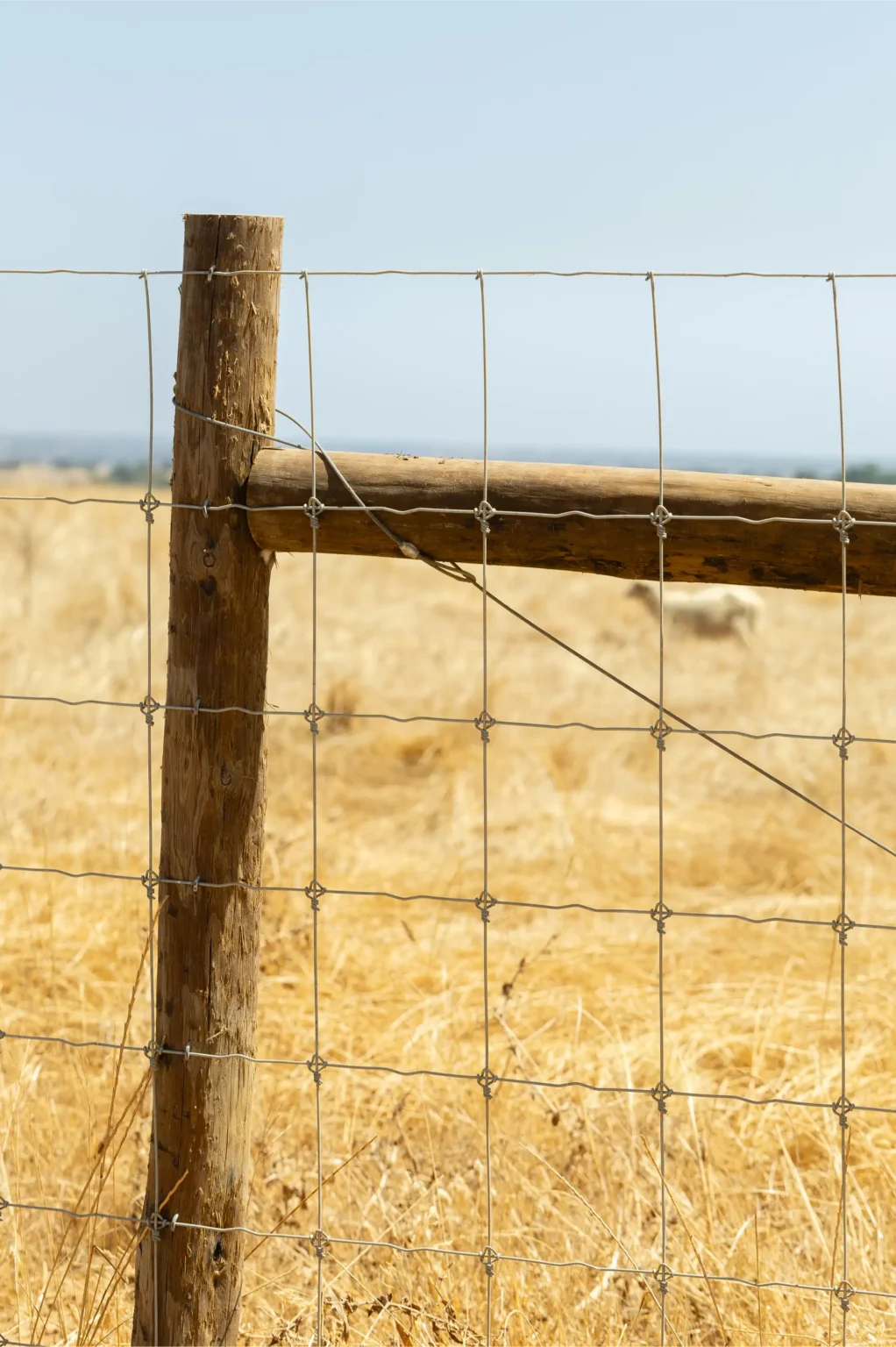
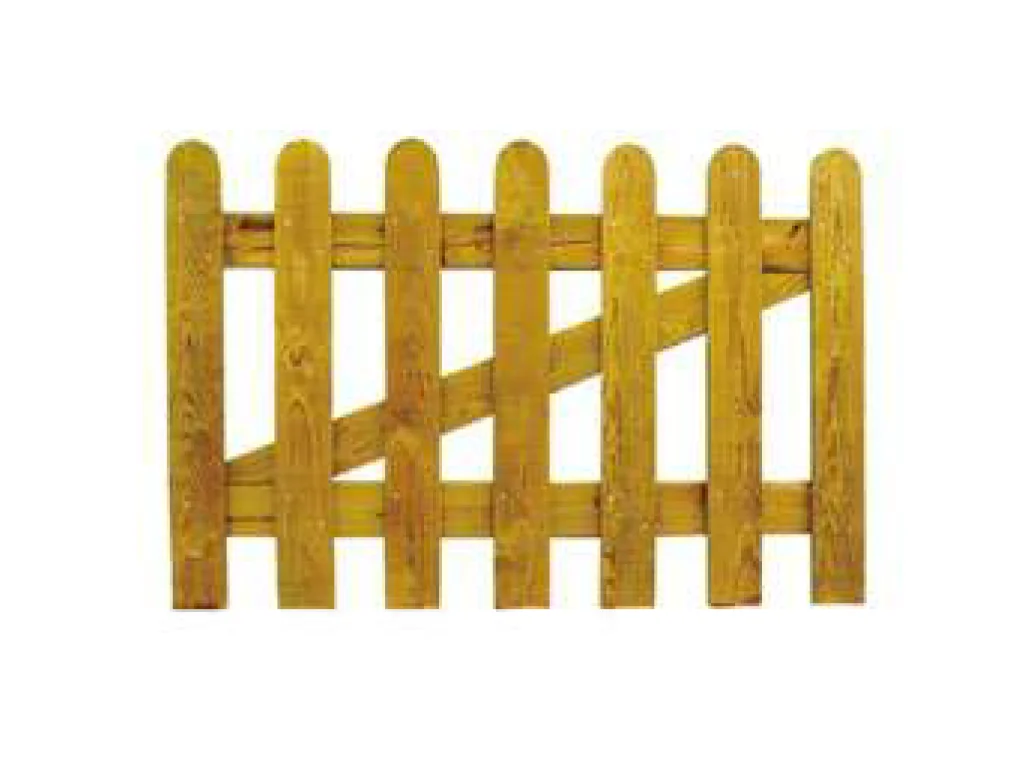
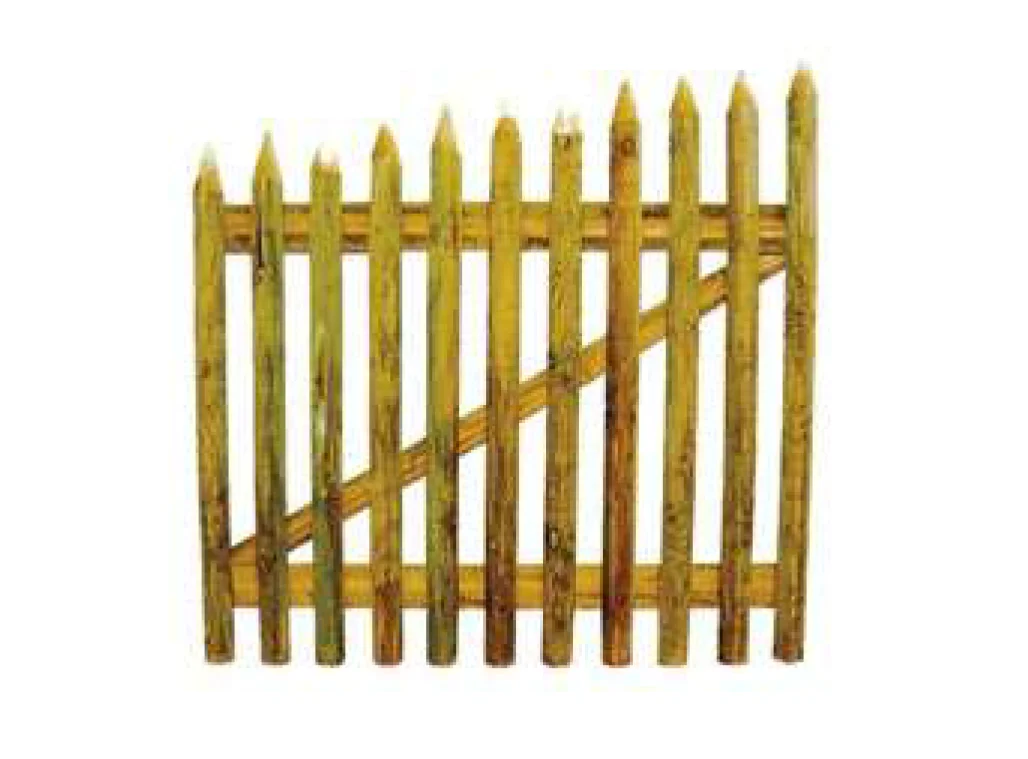
CarmoFarm offers a range of solutions, combining treated wooden posts, fencing netting, gates and wickets to create sturdy, functional systems tailored to the needs of each property.
The appropriate selection and installation of the various components contribute to the stability and durability of the fencing, facilitating access control, crop protection and livestock management.

Fences and Gates
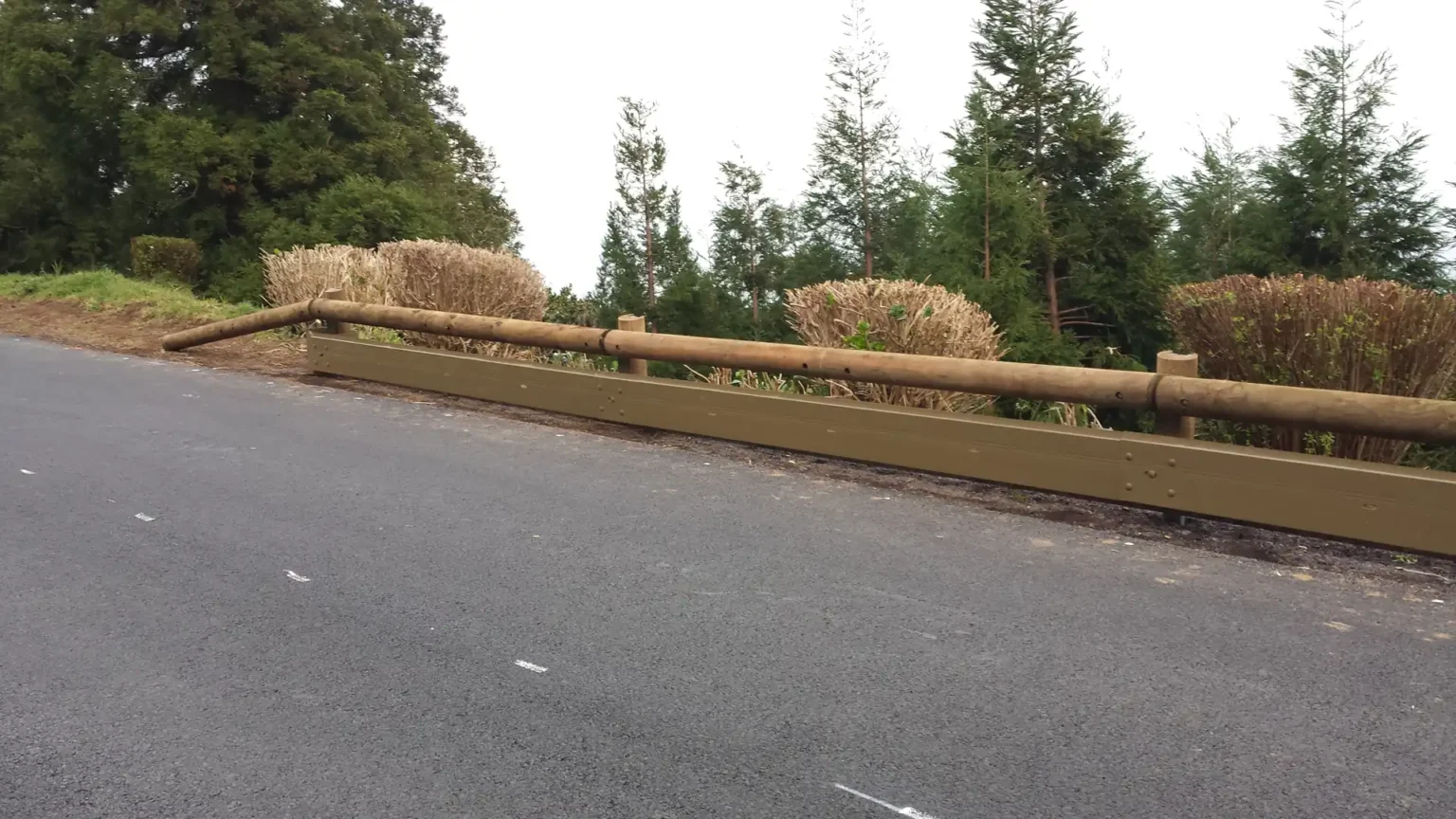
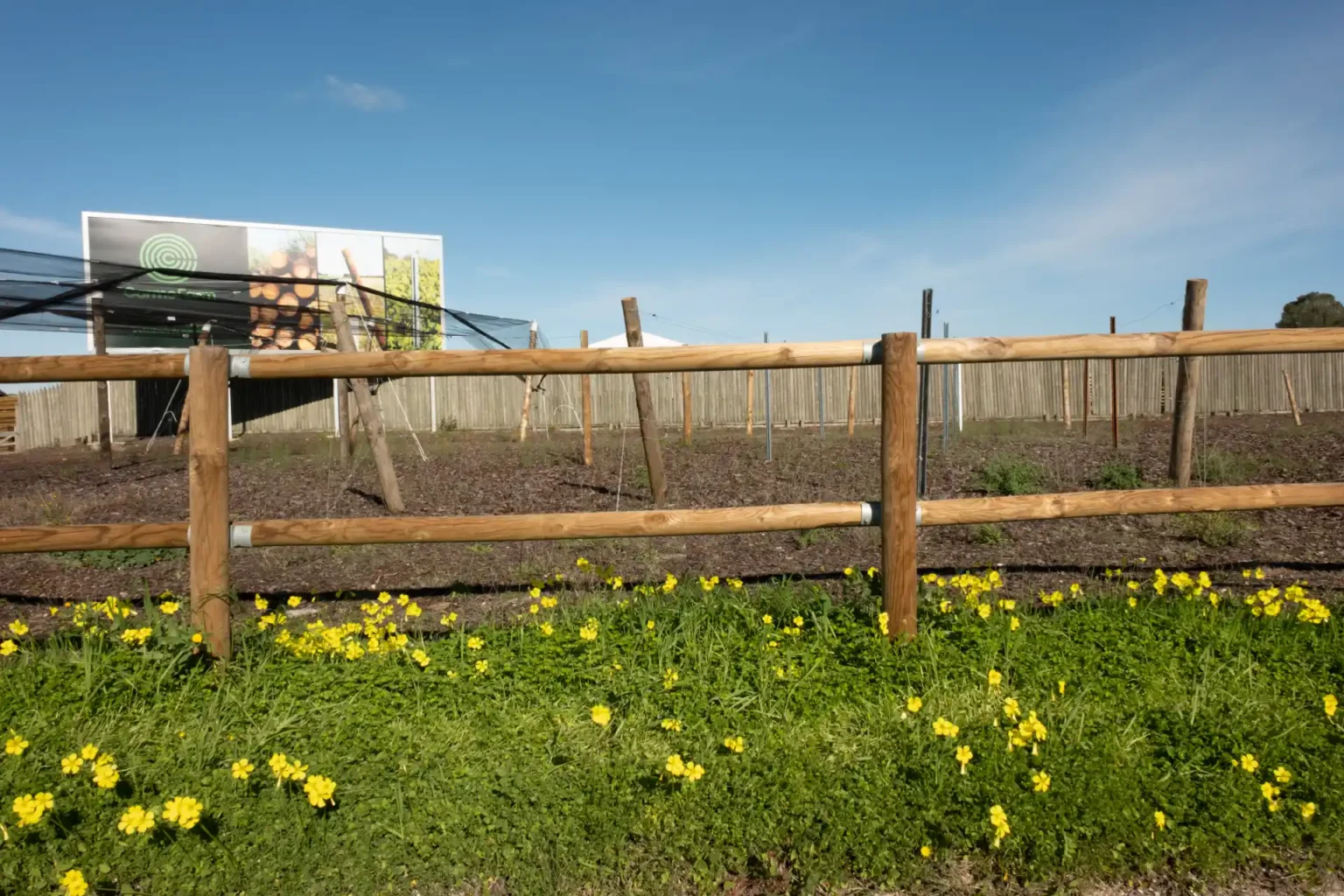
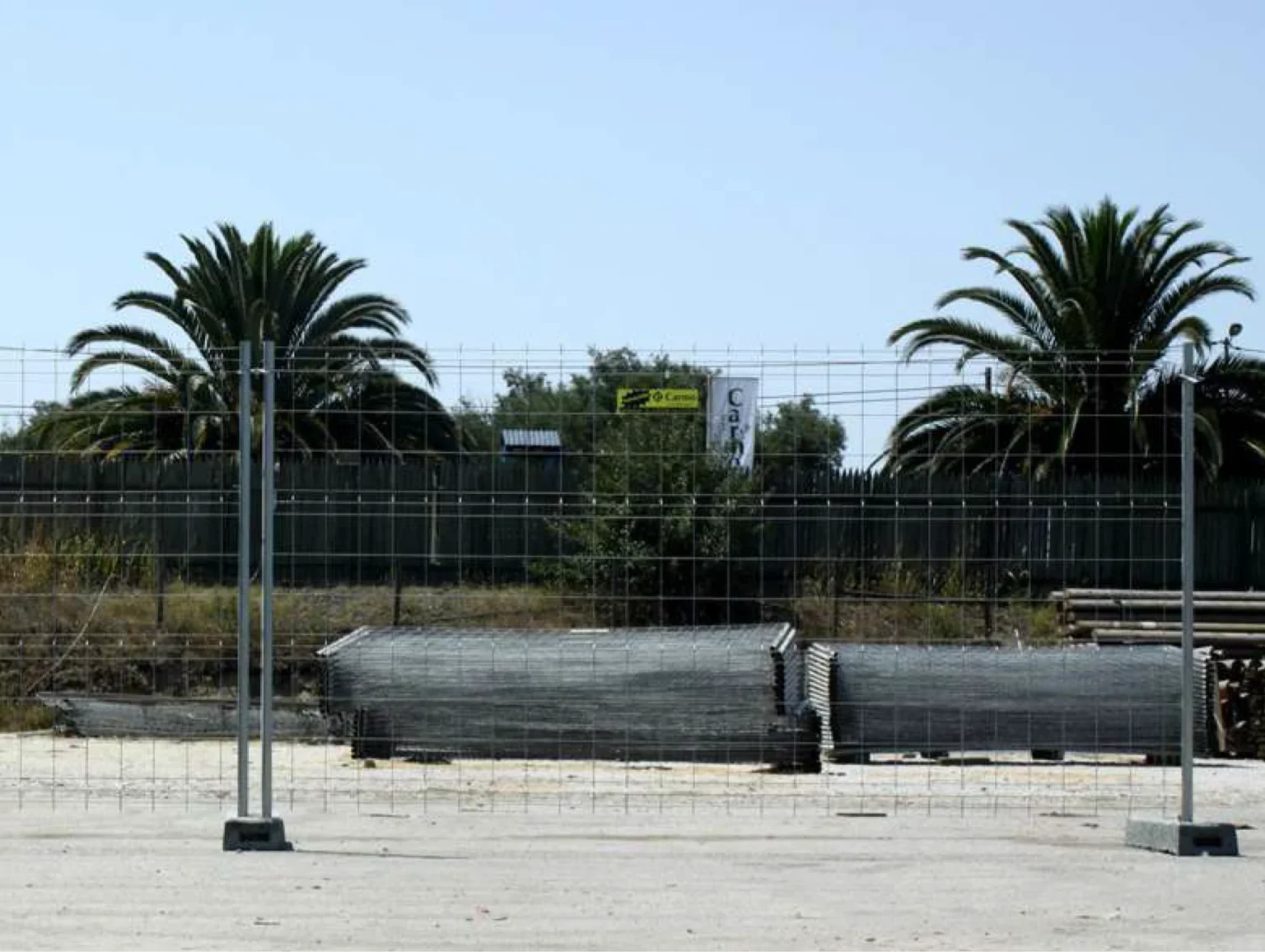
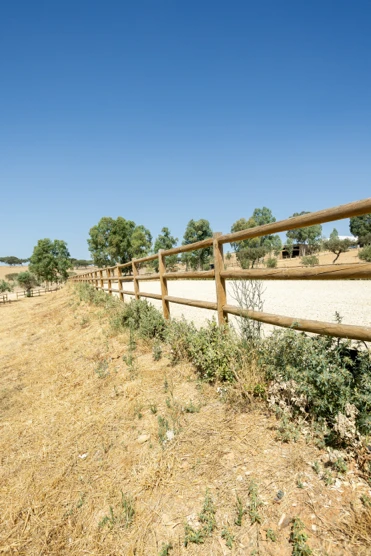
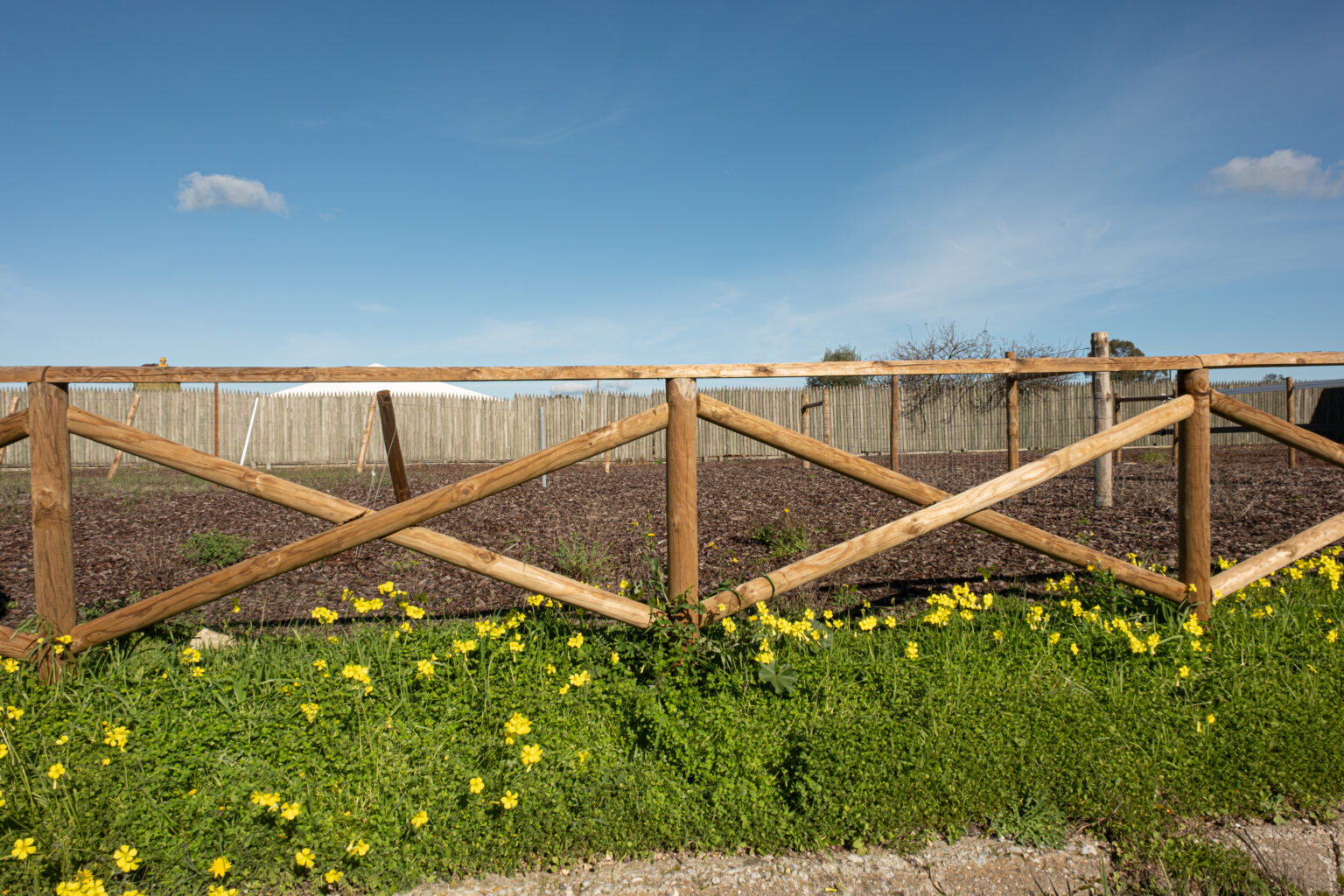
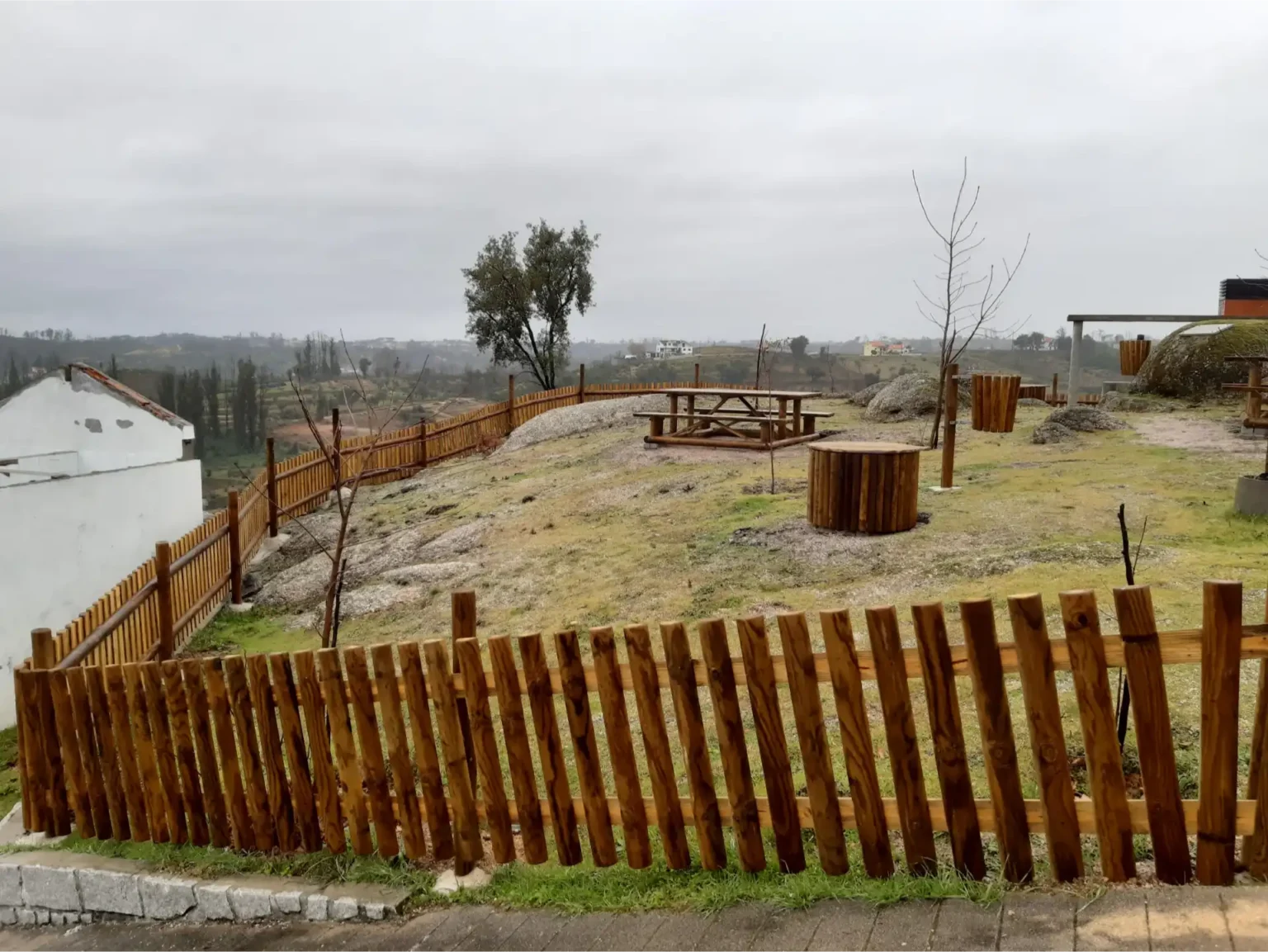
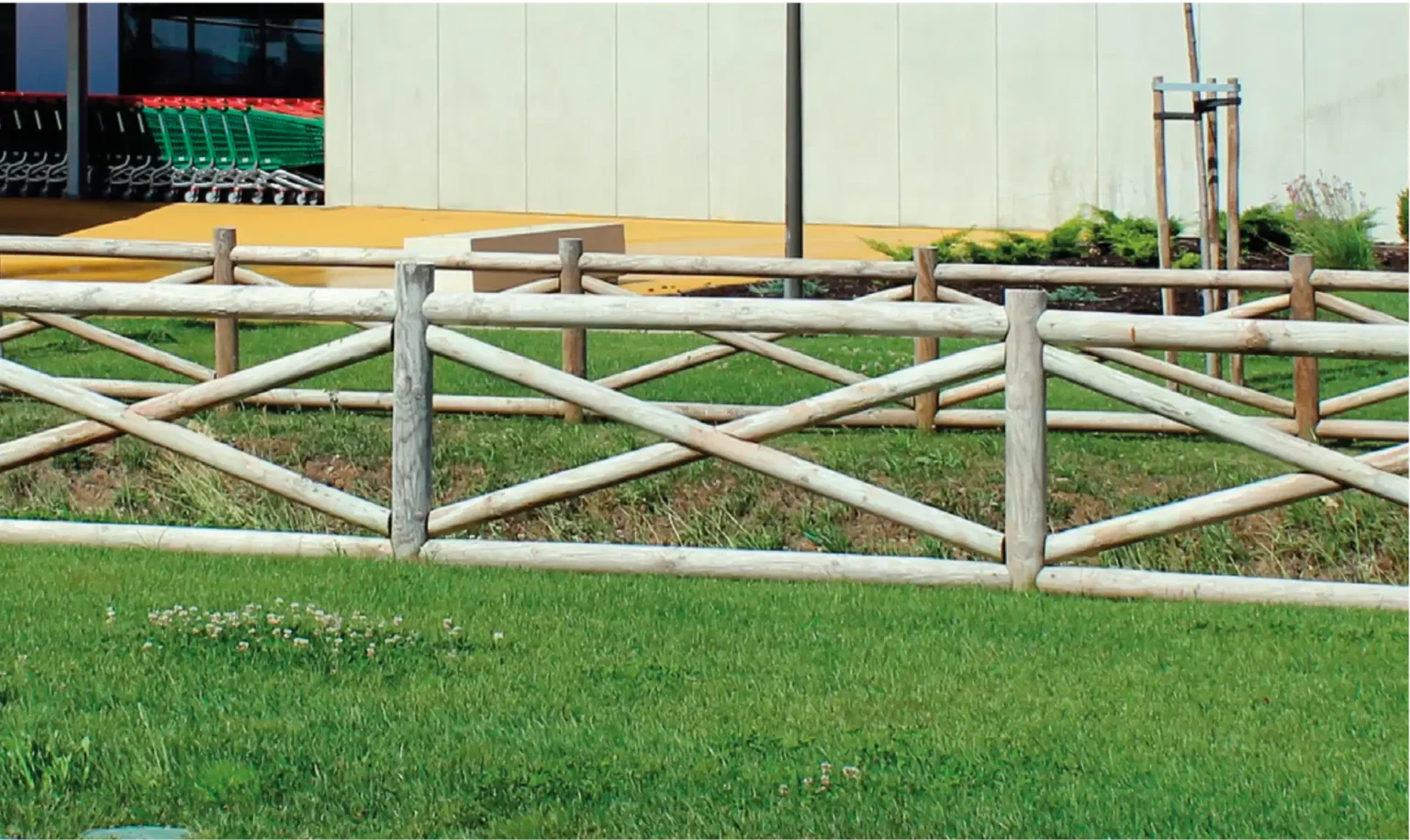
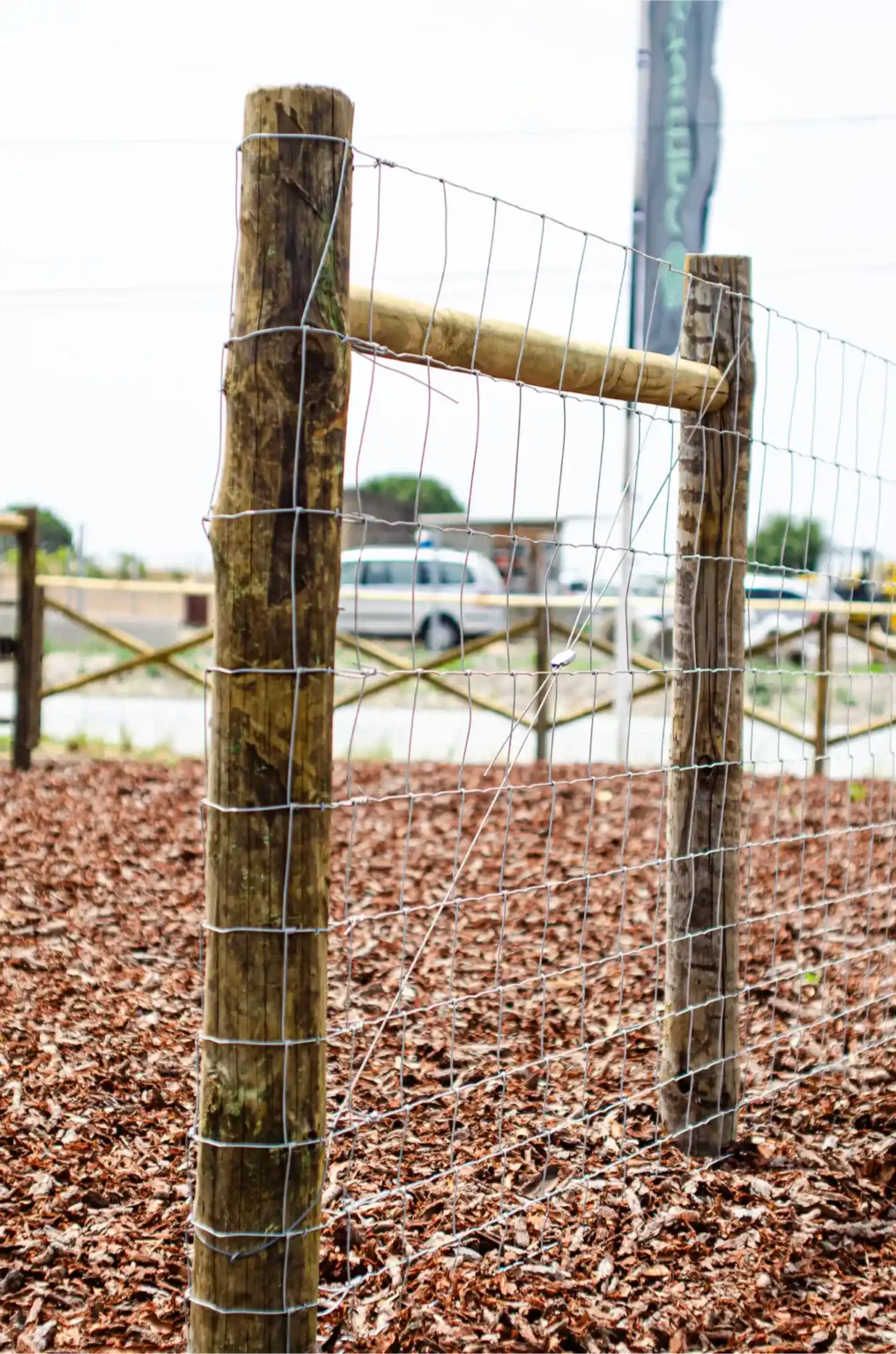
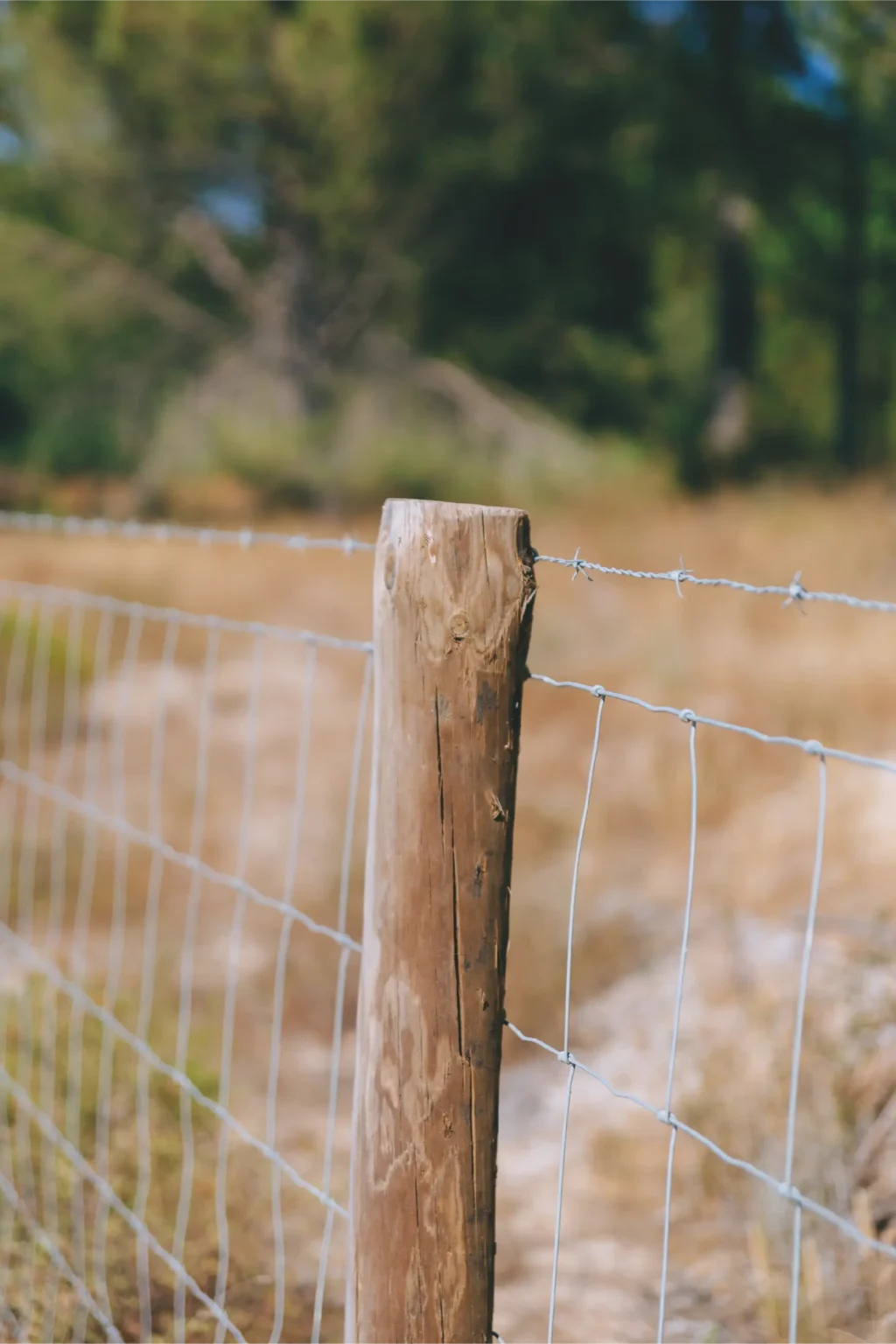
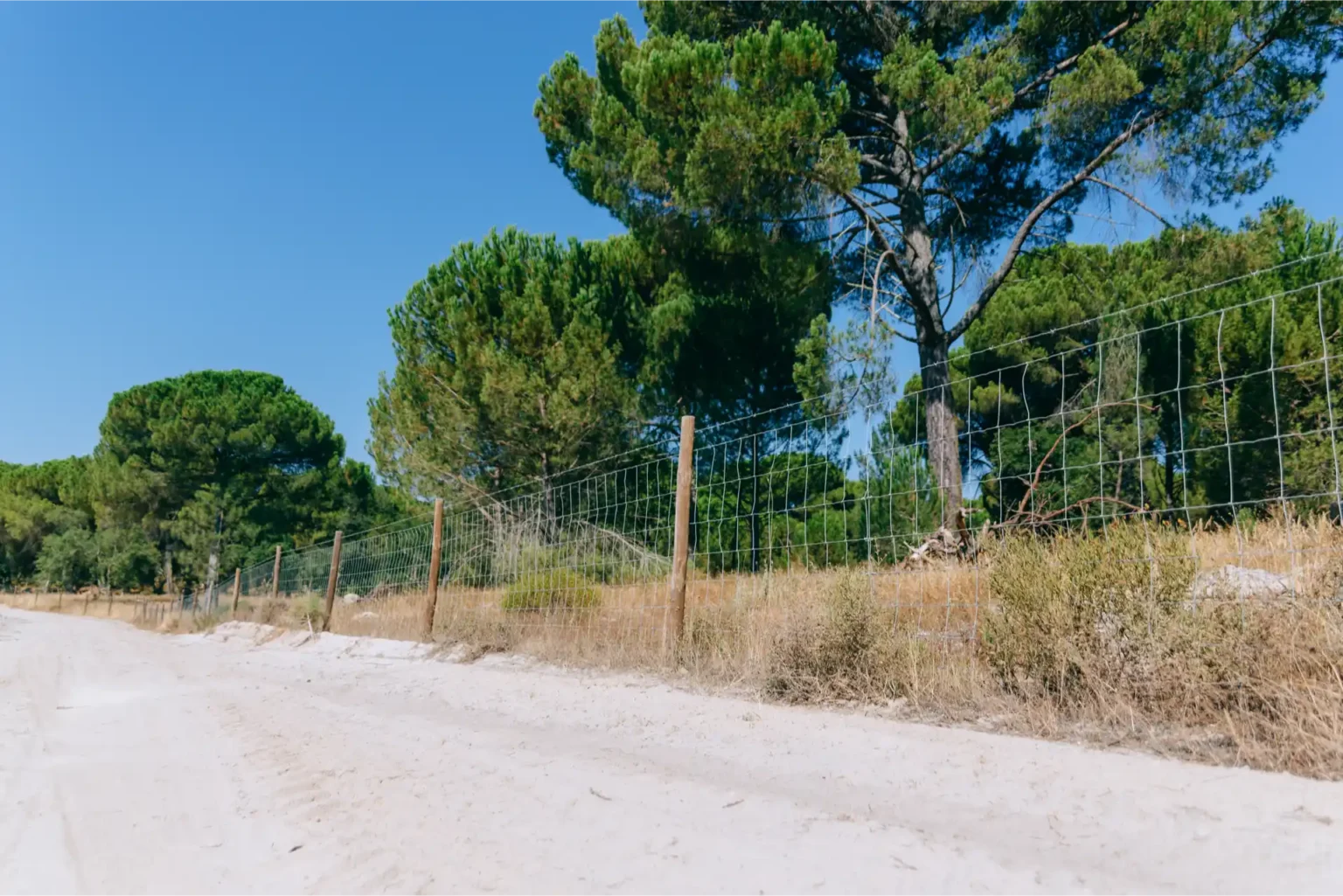
Fences are essential elements in the management of agricultural, forestry, industrial, or environmental protection lands. We are pioneers in the construction of agricultural fences, having been the first company to build this type of fence in Portugal. Our catalog allows you to choose from a wide range of products, designed to blend into the surrounding environment, which can be complemented with rustic gates and barriers.

Although often considered secondary infrastructure, fences play a functional and strategic role:
- Safety and protection of people, crops, and animals by preventing the entry of unwanted people or animals and containing animals within designated areas—requiring sturdy posts that can withstand impact, the elements, and any attempts to knock them down.
- Durability under demanding conditions, with installations that withstand several years of use in harsh outdoor environments (exposure to water, heat, sun, salinity, strong winds, ice, and constant moisture), achieved through the use of deeply treated wood (use class 4), suitable for different climate zones.
- Ease of installation and quick assembly, especially over large areas or on uneven terrain, using lightweight, uniform posts compatible with both manual and mechanical driving, ensuring their efficiency.
- Sustainability and integration into the landscape, avoiding visual pollution and maintaining harmony with the environment through the use of natural, renewable materials with a low ecological footprint.
- Quick repair in the event of damage.