
Bird Nets in Agriculture: Effective Protection for High-Value Crops
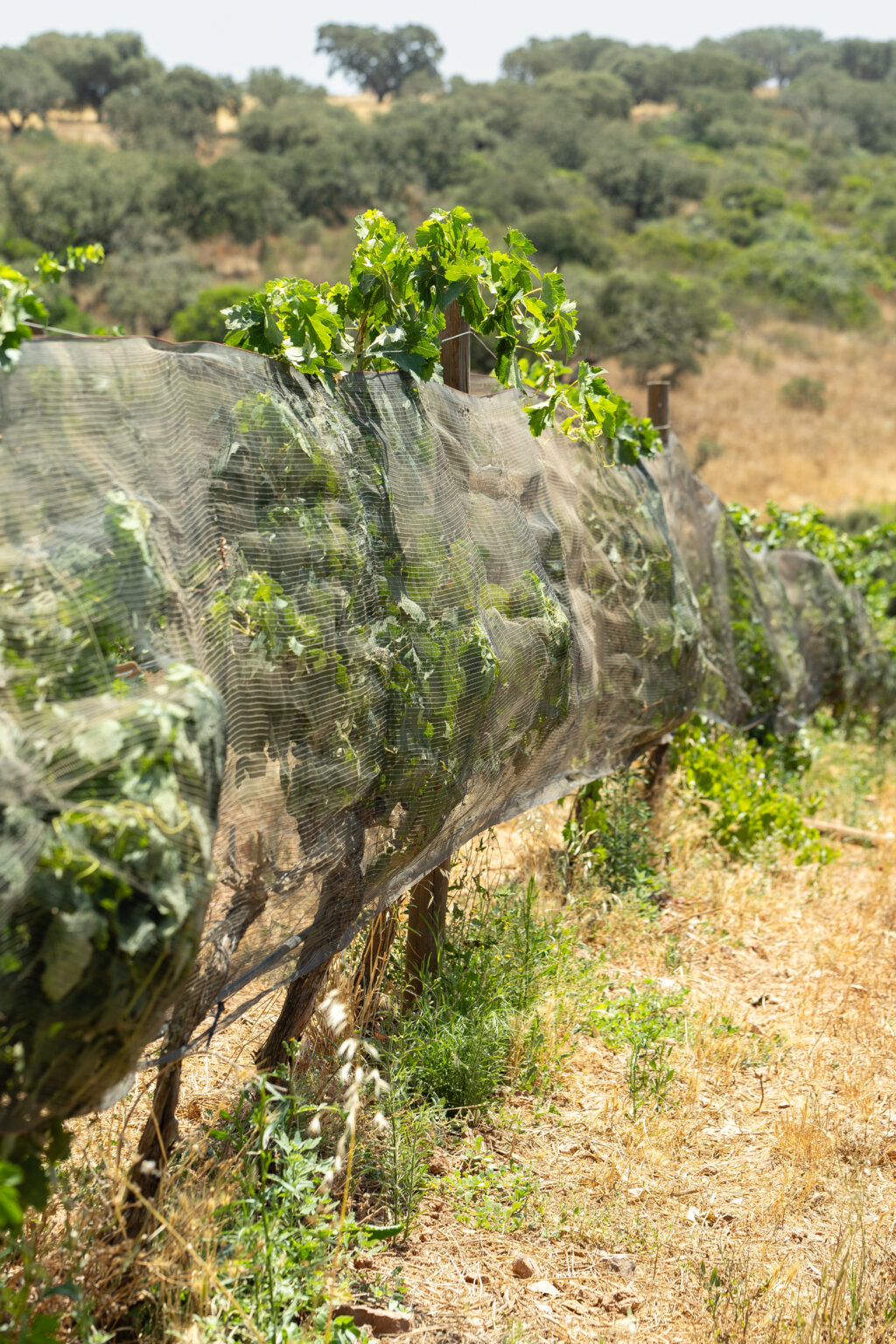
Agricultural production faces daily challenges that can compromise the quality and profitability of crops. Among these, damage caused by birds is a growing concern for farmers and growers of high-value crops, such as vines or soft fruit. To minimise these losses, bird netting has established itself as one of the most effective and sustainable solutions.
Birds can cause significant damage by feeding on ripening fruit. Grapes, blueberries and raspberries are particularly vulnerable to attacks by species seeking food during periods of peak availability. In addition to the direct loss of yield, damaged fruit becomes more susceptible to disease, reducing its commercial quality.

Advantages of bird nets
Bird netting acts as a physical barrier that prevents birds from accessing crops, protecting them without resorting to aggressive methods. Made from durable, UV-stabilised materials, it ensures long-lasting protection over several growing seasons. It is quick and easy to install.
In viticulture, the use of bird netting has been growing significantly. During the ripening of the grapes, damage caused by birds can result in considerable losses (up to 80 per cent) in production and affect the final quality of the harvest. The installation of netting helps to preserve the integrity of the bunches and contributes to higher yields.
On soft fruit farms, crop protection is even more important given the high economic value of the fruit. By reducing the damage caused by birds, growers are able to increase the quantity of marketable produce and improve the farm’s profitability.
CarmoFarm provides agricultural protection solutions designed to meet the needs of modern farmers. Its bird netting forms part of a range focused on efficiency, durability and sustainability, helping to protect crops and maximise farm yields.
Another key advantage is sustainability. Unlike acoustic or visual deterrent methods, the nets provide continuous and reliable protection, without consuming energy and without having a negative impact on the environment or biodiversity.
Afonso Farto – Director of Agriculture, Portugal, CarmoFarm