
Viticulture and Oenology: innovation and resilience in the service of the vineyard
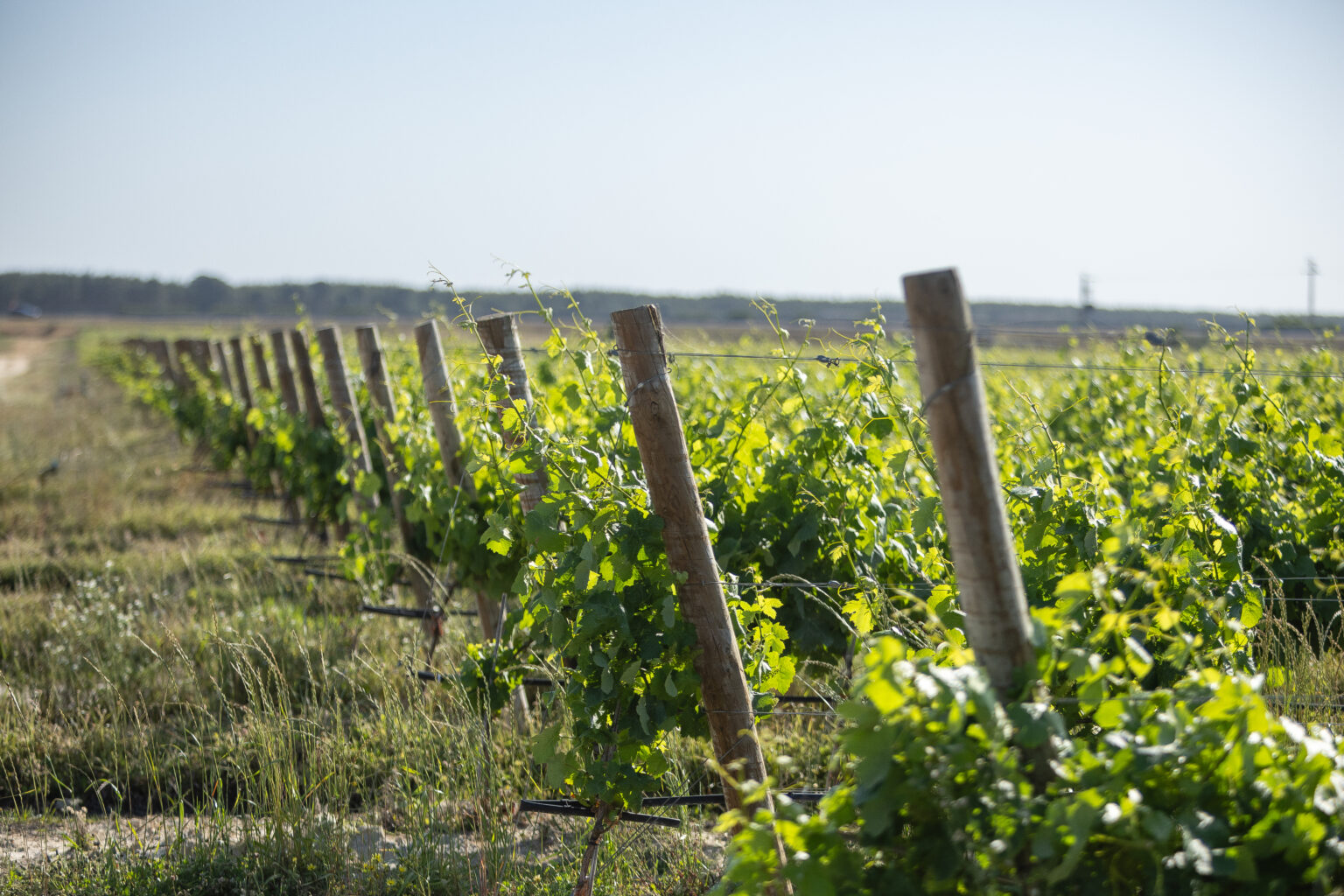
Vineyard structures are fundamental to modern viticulture, keeping pace with technical developments on vineyards and meeting the demands for productivity, mechanisation and sustainability – aspects that are becoming increasingly important in the modernisation of the wine sector. In a vineyard, every element — from the posts to the wires — directly influences the vegetative balance, the strength of the structures, and the final quality and quantity of the harvest.
The correct installation of support systems is now essential to ensuring durability, stability and operational efficiency. On challenging terrain or in areas subject to adverse weather conditions, the strength of the materials is crucial to ensuring the vineyard’s continued good performance over the years.

The role of vineyard structures
Treated wooden posts remain a benchmark solution in the wine sector, thanks to their robustness, longevity and natural integration into the agricultural landscape. At the same time, metal posts have gained prominence due to their high mechanical strength and flexibility, reducing breakages during installation and operation. Corten steel posts have emerged as an increasingly popular option; their more rustic appearance (similar to wood) makes them an attractive solution, particularly in wine tourism.
Trellis systems have also evolved significantly. Today, fastening and tensioning solutions enable faster, more precise and longer-lasting installations, helping to reduce maintenance costs and optimise vine training.
At the same time, the wine-growing industry faces ever-greater challenges linked to changing consumption patterns, making it necessary to exercise greater control over production costs. As a result, producers value technical solutions that ensure rapid installation and greater durability of materials, leading to a more efficient vineyard.
The use of high-strength wires and specialised technical fittings further enhances the stability of the structures and meets the demands of an increasingly mechanised wine-growing industry.
With specialist technical teams and extensive experience across a range of agricultural projects, CarmoFarm supports national and international producers in developing solutions tailored to the evolving needs of viticulture and oenology, reinforcing on a daily basis its commitment to quality, innovation and the durability of agricultural structures.
Afonso Farto – Director of Agriculture, Portugal, CarmoFarm