
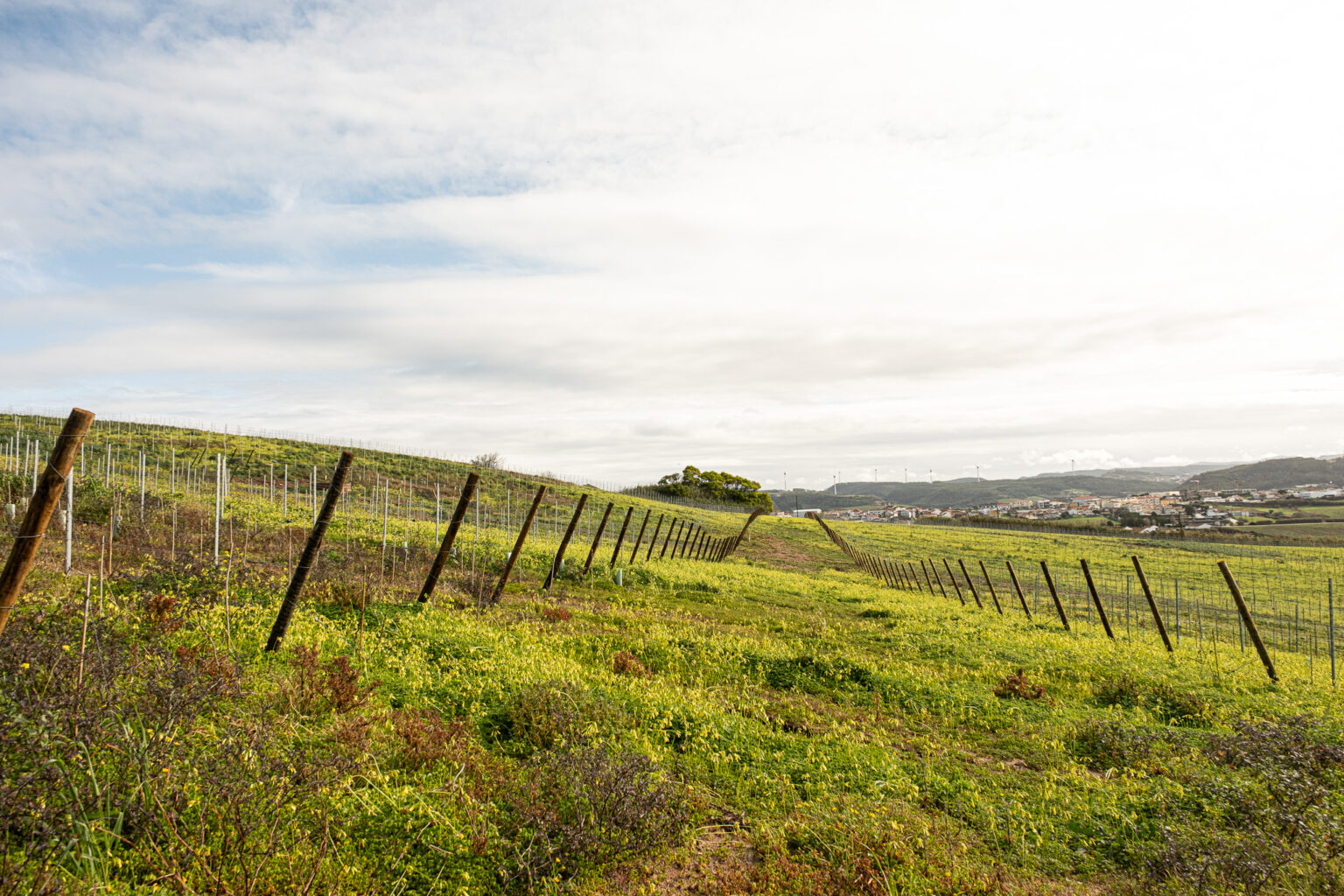
Viticulture in Madeira is characterised by a unique landscape, challenging conditions and generations of winegrowers with deep ties to the land.
Anyone looking at the island of Madeira from the outside will immediately recognise one thing: its landscape is intrinsically linked to the vineyards! Those who know Madeira a little better are aware of the hard work, resilience and perseverance required of every winegrower to tend and care for their vineyards, largely due to the steep terrain that characterises the entire island.
Viticulture in Madeira is characterised by small plots of land, which I often refer to as ‘nano-farms’, where the average size is around 900 m². In Madeira, around 400 ha of vineyards are cultivated out of a total of 4,702.9 ha of Utilised Agricultural Area (UAA), with the majority of agricultural land situated on slopes with an average gradient of between 16 and 25 per cent. The ageing of our winegrowers (more than 25 per cent of agricultural producers are aged 65 or over) makes it increasingly difficult to manage the work, given the need for external labour, which is scarce or non-existent.

Sharing land with other competing crops, such as sugar cane and bananas, has always been the case, and we know from experience that only a polyculture system can succeed, rather than confining ourselves to a monoculture system. Indeed, historically we have experienced several serious crises that led to emigration due to the lack of profitability of a once-predominant crop, which in turn led to deep economic crises.
We know that, over the generations, various crises have been overcome, ranging from powdery mildew and phylloxera to wars and many others that have occurred over time. We are currently living in different times, in which this ‘disconnection’ from the land is a cause for concern. Not only in the case of viticulture, but for agriculture in general. A disconnection in various senses, namely:
1) the emotional and generational ‘disconnect’, where grandchildren do not even know where their grandparents’ land is and live a life centred on technology;
2) the ‘disregard’ for the importance of the land as a primary source of food, where people want to grow everything except agricultural crops;
3) the political ‘disengagement’ (i.e. policies) regarding the protection and importance of the land as the greatest asset for safeguarding human and animal life; and
4) a cultural ‘disconnection’ from the need to protect a region’s identity!
The challenges of viticulture in Madeira
The short- and medium-term challenges facing Madeiran viticulture are immense and require everyone to make every effort to find the best solutions, which will primarily involve:
1) by seeking out new areas (larger ones where mechanisation is possible);
2) more and better training for all producers;
3) further research into the best variety, area and clone;
4) closer monitoring of the soil and climate conditions at each site by the sector’s management bodies, in order to anticipate problems;
5) continuously adding value to the grapes as a way of attracting more winegrowers and generating greater revenue;
6) greater use of existing precision farming tools to produce more and better produce at lower costs; and
7) set up teams of workers with the appropriate training to carry out the various agricultural tasks.

Let us not be under any illusion about one thing: we will always find solutions and ways forward, where resilience and the capacity for heroic work – demonstrated by all winegrowers, for which we have the deepest and greatest admiration – will always prevail. Every step taken, every grape harvested, every glass of Madeira wine drunk is, and always will be, a symbol of a deep love for the land, the vineyard and the richness of its origins. Cheers to you all, and here’s to the future.
Pedro Filipe Lima, Madeira Wine Company